How to Prevent HR Compliance Issues from AI‑Fabricated Skills
by KCALHR_Blogs
What belongs in a personnel file? How do you catch AI‑polished resumes? And how do you retain fast‑moving Gen‑Z talent? This report delivers a comprehensive evaluation.
California HR Files: Four Types of Sensitive Records That Must Be Stored Separately
We start by examining personnel file management practices for California employers.
For California employers, the law doesn’t mandate a single, standardized personnel‑file checklist. However, labor regulations clearly give employees the right to access records related to their performance and grievances—making this the core foundation of compliant file management.
Standard personnel files typically include job applications, resumes, offer letters and acknowledgments, notices of position or pay changes, performance reviews, non‑medical attendance records, coaching or disciplinary notes, separation documents, and grievance‑related materials. Starting January 1, 2026, California added a new requirement: employee education and training records must be included in the personnel file, with details such as the employee’s name and training dates.

These four types of sensitive documents must be kept in their own separate files:
1. Medical‑related records, including work restrictions, doctor’s notes, and medical leave documentations;
2. I‑9 employment‑verification records, to facilitate government audits and reduce the risk of data exposure;
3. Payroll deductions and internal investigations and other related highly confidential records;
4. Wage‑reporting documentations and any demographic information collected.
From an access‑management standpoint, companies may separate supervisor‑accessible personnel files from HR‑restricted files to tightly control exposure to confidential materials. Upon receiving a written request from a current or former employee, employers are required to provide the records within 30 calendar days, ensuring timely retrieval and reproduction.
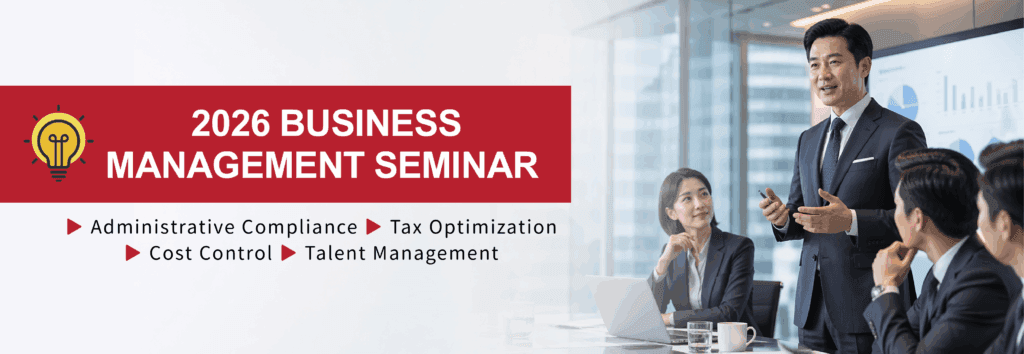
Amid continually evolving immigration and employment policies, corporate compliance pressures are steadily rising. In response, KCAL Insurance is launching its 2026 Business Management Seminar Series, Attorney Danny Chen will provide an in‑depth analysis of immigration‑compliance priorities in employment, offer approaches for mitigating workforce risks and responding to on‑site audits, and explain how companies can use visa and permanent‑residency pathways to retain key personnel. All employers and HR leaders are invited to join at no cost.
AI‑Generated Fake Resumes: Three "Skill Verification Tactics" to Spot Skillfishing
We now shift our focus to the hiring process and explore how employers can prevent AI‑driven “skill‑fabrication” pitfalls.
Since the rise of generative AI, job seekers can easily enhance their resumes with keyword‑stuffed descriptions or fabricated skills, allowing them to slip past automated screening systems. This kind of ”AI‑assisted skill falsification” has become a persistent challenge for employers.
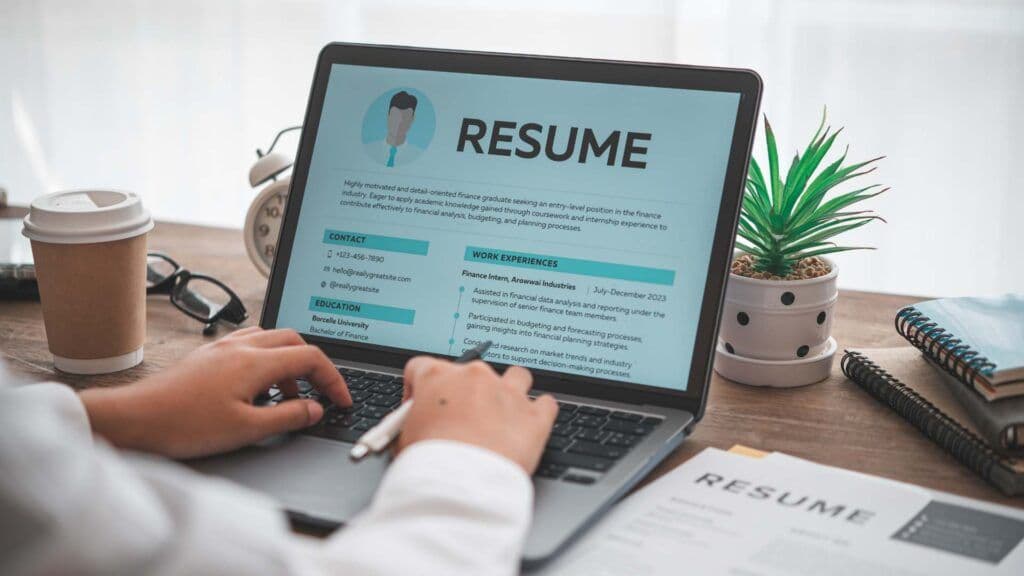
How can employers protect themselves from ”AI‑assisted skill falsification”? Professor Cindy Parker of George Mason University’s School of Management offers the following guidance:
1.Invest time. Employers should devote the necessary time to developing a selection framework capable of accurately evaluating competencies, subject‑matter expertise, and cultural alignment. While this may extend the recruitment timeline, it significantly reduces exposure to skill‑fabrication risks in the current labor environment.
2.Refine the interview process. Incorporate more skill‑verification questions—often in the form of mini case studies or scenario‑based prompts—that require candidates to demonstrate their abilities on the spot.
3.Reintroduce in‑person interviews. Given the challenge of detecting AI‑enabled cheating during online evaluations, many employers are reinstating face‑to‑face interviews as an additional validation step.
4.Use probationary periods with caution. When a candidate’s qualifications are uncertain, employers may consider bringing back temporary contracts or probationary periods as an additional verification step. However, Professor Parker notes that this is not an ideal solution. If used, companies must set clear expectations, provide regular feedback, and offer adequate support to help close any skill gaps.
With Gen Z Tenure Averaging Just 1.1 Years, Three Strategies Can Solve the Retention Challenge
Lastly, we turn to the issue of retaining Gen Z talent. Studies indicate that in the first five years of their careers, Gen Z employees average only 1.1 years per role—the shortest tenure across generations. Their primary motivation for leaving is limited career progression. Because they highly value opportunities for learning and advancement, the absence of growth quickly drives them to resign, perpetuating a cycle of recruitment and attrition. Thus, cultivating an organizational culture of continuous learning is key to improving Gen Z retention.

Organizations can strengthen employee retention by following three essential steps:
1.Enhance the onboarding experience to establish a positive first impression. Provide Gen Z hires with a clear learning roadmap and a structured step‑by‑step growth plan. Ensure managers are deeply involved in the onboarding process to help newcomers integrate quickly and build confidence in their roles.
2.Build confidence through continuous feedback. Embed continuous feedback into team discussions, project initiation sessions, and everyday workflows. Doing so enables employees to recognize both competencies and shortcomings, while mechanisms like collaborative ideation and team voting ensure their voices are heard and engagement increases.
3.Develop flexible, interactive learning formats. Organizations may implement micro‑learning modules, offering five‑minute, on‑demand lessons, supplemented with gamified assessments, structured Q&A sessions, and peer‑to‑peer knowledge exchange to enhance participation and effectiveness.
Gen Z represents both the present and the future of the workforce. Meeting their learning needs and offering a clear growth pathway are essential to retaining core talent and enabling shared success for both employees and the organization.
KCAL HR Weekly: Brings you the latest insights on U.S. business operations and talent management.
All in just five minutes.
This article is intended for general informational purposes only and should not be considered legal, tax, or accounting advice. Readers are encouraged to seek professional guidance for advice tailored to their specific circumstances. Click here to schedule a complimentary corporate legal consultation.