Apple–OpenAI Trade Secret Lawsuit, Employee Benefits During an Economic Downturn, and Using AI to Prevent Knowledge Loss
by KCALHR_Blogs
What can businesses and HR professionals learn from the trade secret dispute between Apple and OpenAI? When the economic outlook is uncertain, is it still worth investing in employee benefits? And how can businesses use AI to prevent the loss of valuable knowledge when experienced employees leave? This report delivers a comprehensive evaluation.
What Can HR Learn from the Apple–OpenAI Trade Secret Dispute?
In July, Apple filed a lawsuit against OpenAI and two former employees, alleging that they were involved in the misappropriation of trade secrets (opens in new tab). Apple alleged that one former employee retained company devices and downloaded confidential files after leaving the company. Another OpenAI executive was accused of encouraging job candidates to bring Apple hardware components to interviews. OpenAI has denied the allegations.

The case highlights an important lesson for businesses: protecting trade secrets and confidential information should be part of the entire employee lifecycle.
The process should begin during recruitment. Companies should clearly define confidentiality boundaries from the start. Final-round candidates can be asked to sign a simple confidentiality agreement stating that interviews will not involve requests for confidential information belonging to a previous employer. Interviewers can ask about a candidate’s experience and project capabilities, but should not seek confidential information about competitors.
During employment, companies should clearly identify which information is genuinely sensitive and limit access based on business needs. Employee access permissions should also be updated promptly when an employee changes roles or responsibilities.
The offboarding process is particularly important. Companies should establish standardized procedures to promptly collect company equipment, deactivate accounts, and revoke access permissions. They should also monitor for unusual activity before an employee leaves, such as large downloads or unexpected data transfers.
For remote workers and employees using personal devices, companies should also verify that access to corporate data through personal devices, cloud storage, and other channels has been properly terminated.
Protecting trade secrets cannot rely solely on technology.It also requires employee training and effective day-to-day management to ensure that confidentiality requirements are consistently implemented throughout recruitment, employment, and offboarding.
Is Investing in Employee Benefits a Smart Move During Economic Uncertainty?
Next, let’s look at employee benefits during periods of economic uncertainty.
As companies face increasing cost pressures, some have started reducing employee benefits. For example, Zoom and Deloitte have recently reduced paid parental leave, while Starbucks has eliminated insurance coverage for weight-loss medications. Other companies have increased the amount employees pay toward their health insurance.
At the same time, some companies are moving in the opposite direction and expanding their benefits. Heidi, an Australian AI-powered healthcare company, recently upgraded its global benefits program by extending parental leave, introducing fertility benefits, and offering employees the opportunity to work remotely from another location for up to four weeks each year.
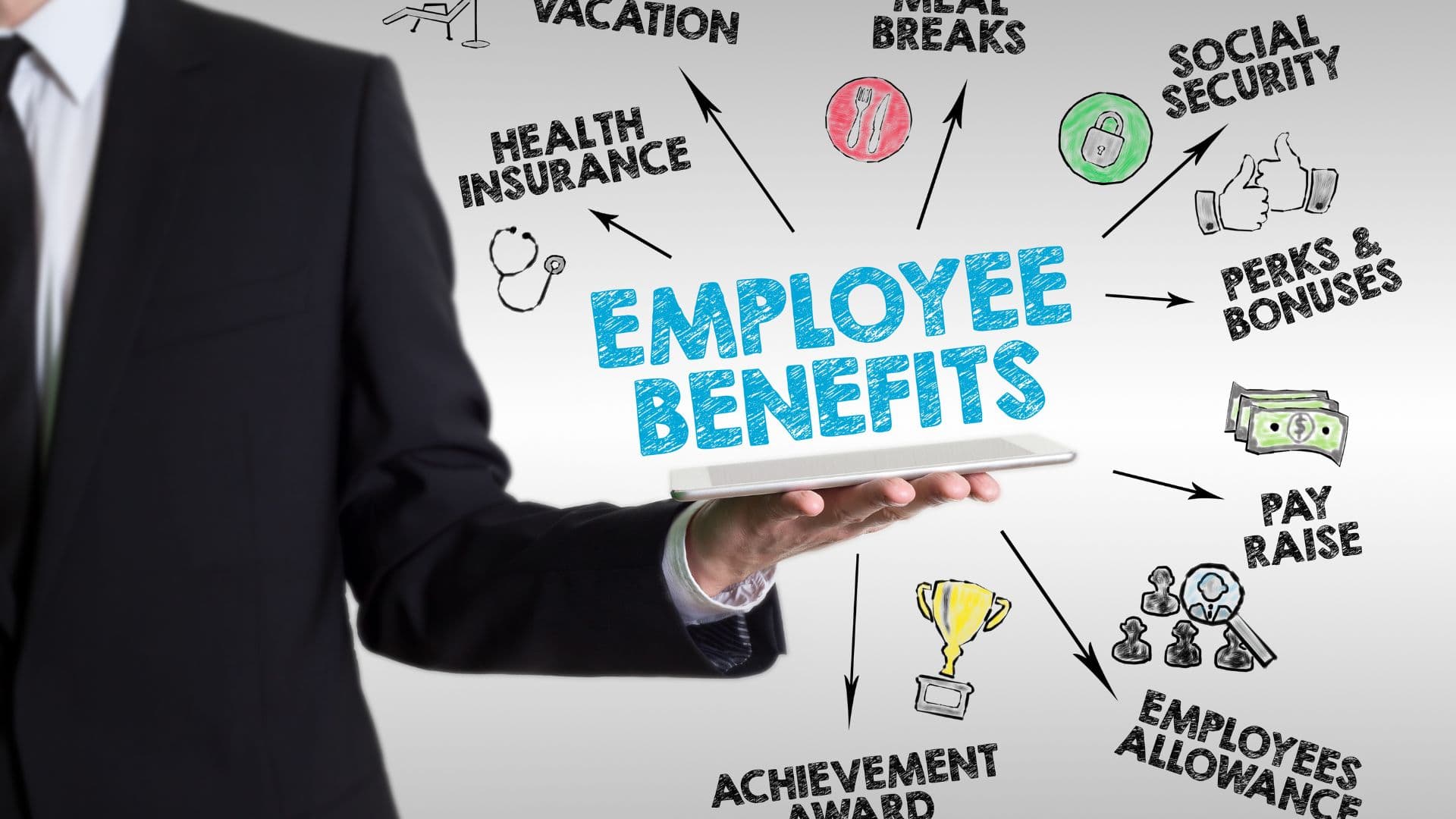
Industry experts point out that employee stress can rise significantly during an economic downturn. Cutting benefits during this period may cause employees to feel that the company is not supporting them.
When the labor market eventually shifts back toward a more employee-driven environment, employees may remember how their employers treated them during difficult economic times—and those experiences can affect employee retention.
Of course, investing in benefits does not mean simply adding more and more programs. Experts offer two practical recommendations:
First, understand what employees actually need. Conduct employee surveys and allocate benefits budgets based on those needs. Companies should also communicate their benefits clearly so employees understand their value.
Second, evaluate the broader return on investment in people. Well-designed benefits can help stabilize performance, create a more inclusive workplace, and retain key talent—ultimately generating tangible business value.
If you are looking to build a competitive employee benefits package and improve employee retention, KCAL Insurance can help. In addition to comparing employee health benefits plans, we also provide PEO solution comparisons to help businesses evaluate their options and make informed decisions.
How Can Businesses Use AI to Prevent the Loss of Employee Knowledge?
Finally, let’s talk about how businesses can use AI to address the loss of organizational knowledge.
Knowledge loss occurs when the experience and tacit knowledge accumulated within a company leave with employees when they retire or move on to other jobs. Today, many organizations are turning to generative AI to address this challenge.
ERIA, a California-based events company, has built an internal knowledge-base chatbot as one example of how organizations can use AI to preserve institutional knowledge.
Experts point out that the key to AI-powered knowledge retention is not simply documenting procedures. Companies also need to preserve the reasoning behind decisions and understand “why things are done this way.”
Businesses can use real-world cases to have AI generate training materials and interactive scenario-based exercises, helping new employees understand the underlying logic behind established processes. However, AI-generated content should still be reviewed by frontline employees with relevant expertise.
- Make knowledge capture part of everyday operations. Do not wait until an employee is leaving before attempting to document their knowledge.
- Prioritize knowledge-intensive and high-turnover-risk roles. Examples include handling payroll discrepancies, managing employee benefits, interpreting compliance requirements, and resolving customer escalations.
- Measure results with quantitative metrics. These can include response times to employee questions, the time it takes new employees to become fully productive, and the percentage of problems employees can resolve independently.
- Build access controls, auditing, and privacy protections into the knowledge system from the beginning. These safeguards should be in place when the knowledge base is launched.
- Make it clear to employees that AI is not intended to replace people. Instead, it can help organizations reuse professional expertise and reduce repetitive questions.
The key to addressing knowledge loss is not simply purchasing expensive AI tools. Instead, businesses should take advantage of the time when experienced employees are still on the team to systematically capture their knowledge, judgment, and real-world experience.
KCAL HR Weekly: Brings you the latest insights on U.S. business operations and talent management. All in just five minutes.
This article is intended for general informational purposes only and should not be considered legal, tax, or accounting advice. Readers are encouraged to seek professional guidance for advice tailored to their specific circumstances. Click here to schedule a complimentary corporate legal consultation. (opens in new tab)