
AI is rapidly reshaping work models, demanding tighter human–AI coordination. Rising turnover highlights the need to understand why employees leave, while California employers face increasing pressure to manage termination risks effectively. This report delivers a comprehensive evaluation.
Entering the Human–AI Collaboration Era:
The Critical Role of Workforce Adaptability and Company Culture
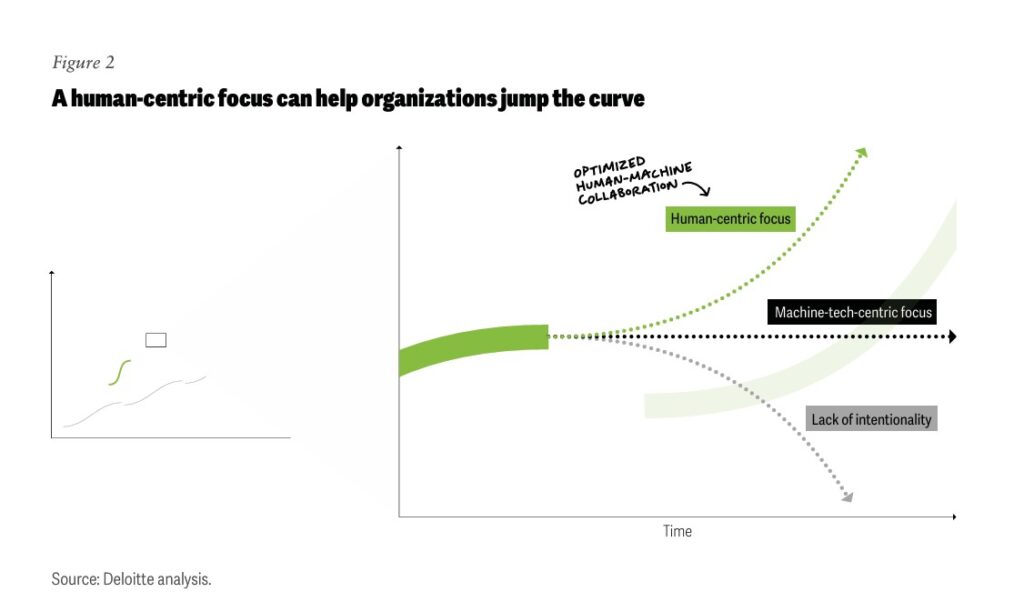
Let’s begin with Deloitte’s newly released “2026 Global Human Capital Trends” report. The study notes that while AI has already become embedded in everyday business decision‑making, building human capital advantages remains essential for long‑term success. The report highlights three core areas companies should prioritize.
1. Adaptability as a Strategic Transformation Advantage
The findings show that while 85% of leaders consider adaptability vital, only 7% of organizations have effectively put it into practice. The report recommends shifting from managing discrete change events to sustaining ongoing change. Through AI‑enabled tools, companies can embed continuous learning, instant feedback, and on‑demand support into workflows, strengthening employees’ ability to navigate constant shifts.
2. Work Redesign Is Critical to Achieving Human–AI Collaboration
The data shows that although 60% of executives use AI in decision processes, only 5% have adequate governance frameworks. Moreover, 56% of organizations prioritize business metrics when designing AI, with only 40% integrating employee development considerations. The report recommends restructuring work around human–AI collaboration, emphasizing trust, fairness, skill advancement, and improved employee experience to align business performance with workforce needs.
3. AI Is Accelerating the Need for Cultural Transformation
The findings show that while 65% of companies acknowledge the need to adapt their culture for AI adoption, 34% are constrained by entrenched cultural barriers. Furthermore, 42% of employees feel their organizations have not assessed AI’s implications for the workforce. The report stresses that genuine AI transformation requires embedding cultural development at its core, tackling regulatory, ethical, and relational challenges to prevent the emergence of cultural debt.
Talent Mobility 2026:
Attrition Drivers & Technical Demand
Aerotek’s first‑quarter 2026 research, which surveyed 3,500 job seekers across multiple industries, revealed that :37% quit a job shortly after starting due to poor organizational culture or management practices—now the primary factor behind early departures.
In contrast, fair compensation, career growth, and skill‑building opportunities have become the core reasons employees choose to stay. Twenty‑nine percent remain because of competitive pay, 28 percent value clear advancement prospects, and 25 percent stay for opportunities to learn new skills.

The study also highlights the growing prominence of skilled trades in today’s labor market. 55% of participants are currently in skilled roles, 76% find these occupations attractive, and 84% believe they can achieve success in the field.
As AI adoption drives rapid infrastructure development, demand for related technical roles has surged. Since 2022, job postings for construction positions have risen 30 percent, HVAC engineers nearly 70 percent, and robotics technicians more than doubled. This increasing specialization is pushing the sector toward sustained education and upskilling pathways.
Notably, previous research shows that managers tend to score below average in empathy, making leadership development—and the shift toward a coaching‑style management approach—a critical lever for improving retention.
California Termination Compliance Guide: Four Key Principles and Essential Pre‑Termination Practices
Finally, we turn to the key considerations for California employers when terminating employees. According to the latest guidance from the California Chamber of Commerce, companies must strictly comply with state labor laws and balance operational procedures with effective risk mitigation when making termination decisions.
1. Follow the At‑Will Employment Principle: California operates under an at‑will employment system, except in cases involving unlawful reasons. Employers must thoroughly evaluate each termination decision to ensure no violations occur.
2. Understand the Boundaries of Protected Characteristics: Employers may not make adverse employment decisions based on an employee’s protected characteristics; doing so constitutes discrimination.
3. Clarify the Nature of Termination vs. Layoff: Termination, layoff, and position elimination are treated similarly under the law. Reclassifying a termination as a layoff or job elimination does not remove legal risk.
4. Meet Documentation and Justification Requirements: Employers must have legitimate business reasons for termination and maintain complete written records, including performance discussions and objective facts supporting the decision.

In addition, to ensure terminations are lawful and compliant, companies should strengthen proactive performance management: clearly define job requirements during hiring, match candidates appropriately, provide targeted training after onboarding, and set clear expectations and consequences. When performance issues arise, managers should communicate promptly and document all verbal discussions in writing, creating a solid foundation for any future termination decision.
Overall, California employers must ensure that termination decisions are supported by lawful reasons, proper intent, sufficient evidence, and proactive management.If you need further legal consultation or free labor law posters, you may click the buttons below to access them.
KCAL HR Weekly: Brings you the latest insights on U.S. business operations and talent management.
All in just five minutes.