
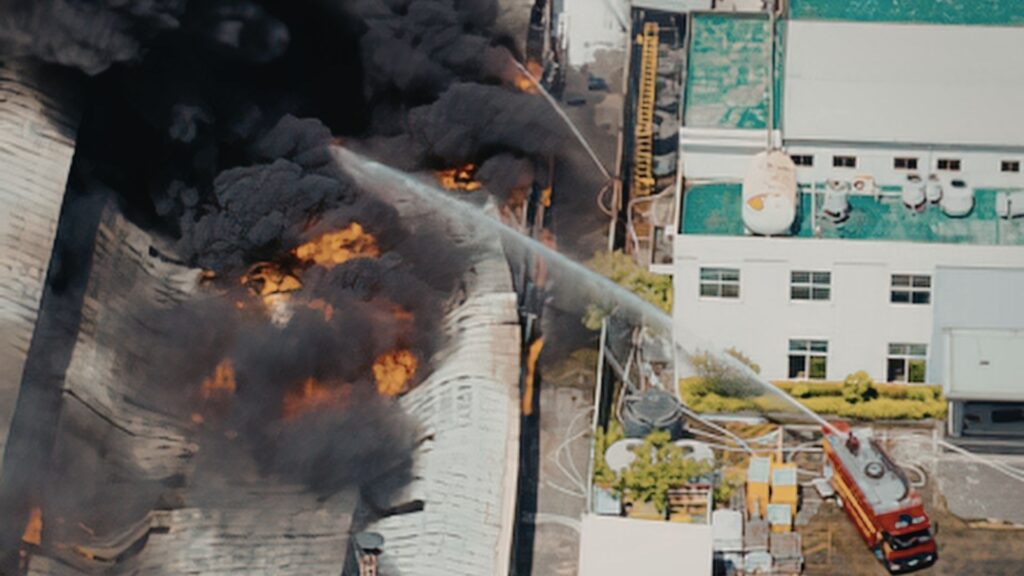
On April 10, 2026, a 1.2‑million‑square‑foot third‑party logistics warehouse at the Ontario Kimberly Center was heavily damaged by a major fire. Initial estimates indicate about 500 million in paper‑goods losses and 150 million in building damage. Investigators concluded the fire was deliberately set by a temporary worker retaliating over wage issues.
This incident not only exposed hidden risks in corporate labor practices but also prompted business owners to re‑evaluate their insurance coverage and overall risk‑management systems. This analysis offers professional guidance for relevant businesses from three perspectives: commercial property insurance, warehouse legal liability insurance, and corporate risk management.
Commercial Property Insurance
Warehouse operators typically carry commercial property insurance to cover risks to buildings and equipment, including common perils such as fire. However, it is important to note that arson is considered an intentional criminal act, Commercial property insurance typically excludes “criminal acts” as a standard policy exclusion.
- Exclusions: If the arson is initiated, directed, or participated in by the insured, the insurer generally has the right to deny the claim.
- Covered Situations: If the fire is caused by electrical failure, natural disasters, or accidental acts by a third party, it is generally covered under the policy.
In addition to warehouse operators, cargo owners should avoid relying solely on the warehouse’s insurance when storing goods with a third‑party facility. Third‑party warehousing environments carry multiple risks—including natural disasters, accidents, theft, and operational negligence—which can result in losses reaching millions or even tens of millions of dollars. Therefore, companies should obtain their own commercial property insurance for stored goods to ensure asset protection and operational stability.
Warehouse Legal Liability Insurance
Importance of Contract Drafting: The scope of indemnification is strictly determined by the terms of the warehouse contract signed by both parties.
To avoid disputes during claims handling, the contract should clearly specify the following:
- Scope of Liability: Clearly define the division of responsibilities between the warehouse operator and the cargo owner.
- Definition of Key Terms: Provide clear definitions for key terms such as “negligence” and “improper handling.”
- Scenario Specifications: Specify the responsible party for losses arising during different stages such as storage, handling, and packaging.
Insurance companies will base both their pricing and claims decisions on the terms of the warehouse contract. If the contract assigns all risks to the warehouse operator, the business may face significant operational exposure in the event of an incident.

Key Points In Warehouse Risk Management
To maximize risk mitigation, it is recommended that companies adopt a three‑pronged management strategy:
- Optimize Insurance Coverage: Select insurance products that align with the company’s operational characteristics to avoid under‑insurance or coverage gaps.
- Draft Contracts with Precision: Clearly define the allocation of responsibilities within customer contracts to establish the legal basis for insurance claims.
- Strengthen Internal Management: Place emphasis on assessing the psychological suitability and background of both full‑time and temporary workers to reduce human‑related risks at the source.
The essence of commercial insurance lies in proactive preparation—preventive measures taken in advance are far more effective than remedies applied afterward. If your business is involved in cargo warehousing or transportation, or if you need to assess potential risks within your existing insurance policies, you are welcome to contact KCAL Insurance 626-333-1111, Our professional brokerage team will provide you with comprehensive guidance to help you mitigate risks and operate with greater stability.